
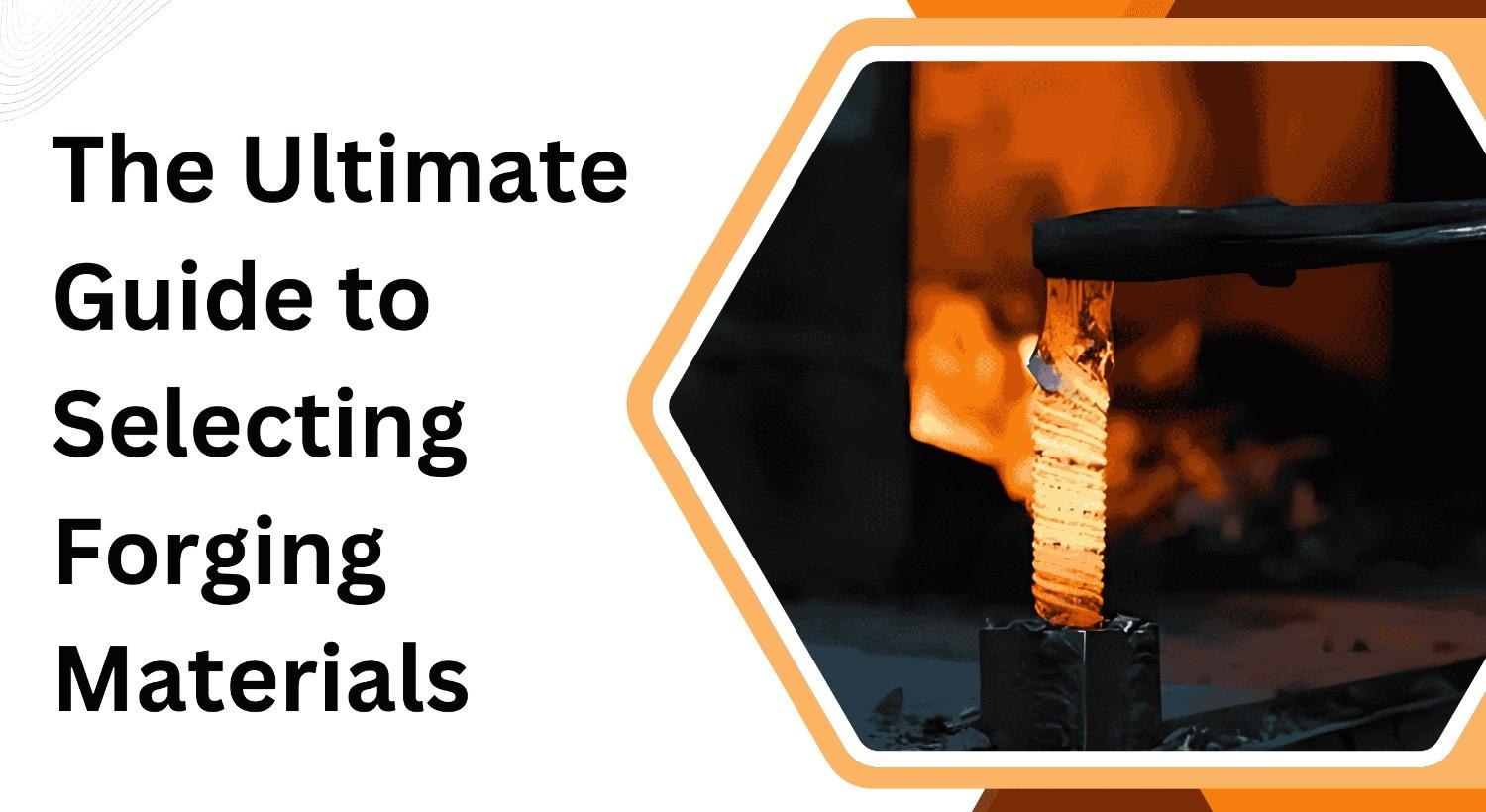
Forging is one of the world’s oldest and most dependable industrial techniques, known for generating strong, durable, and high-performance components. Whether you’re creating parts for the automotive, aerospace, oil & gas, construction, or heavy machinery industries, the forging material you choose is important to the end product’s strength, durability, and overall performance.
Choosing the best forging material is not easy. It involves considering the necessary mechanical qualities, cost, operating conditions, and application. In this blog, we will walk you through everything you need to know about choosing the right forging material, from understanding material types to matching them with your application requirements.
Types of Forging Materials and Their Uses
- Carbon Steel
Carbon steel is one of the most used metals in forging. It contains iron and carbon, with small amounts of other elements. The amount of carbon changes its hardness and strength. Low carbon steel is softer and easier to shape. Medium carbon steel balances strength and flexibility. High carbon steel is strong, wear-resistant, and less flexible. Carbon steel forgings are utilized in automobile parts, tools, and machinery because they are strong, affordable, and simple to heat treat.
- Alloy Steel
Alloy steel is carbon steel mixed with elements like chromium, nickel, molybdenum, or vanadium. These elements improve strength, toughness, and resistance to wear and corrosion. Alloy steels are chosen for parts that need to handle high stress or harsh environments. Examples include gears, shafts, and aircraft components. They can be heat treated to get the exact hardness and strength needed for the job.
- Stainless Steel
Stainless steel contains chromium, which gives it corrosion resistance. In addition, it is strong and maintains its shape at high temperatures. Chemical facilities, medical equipment, marine hardware, and food processing equipment all frequently use stainless steel forgings. It costs more than carbon steel, but it lasts longer in wet or corrosive situations. Grades including 304 and 316 are extensively utilized due to their combination of strength and corrosion resistance.
- Aluminum
Aluminum is light but strong for its weight, resists corrosion, and conveys heat well. Forged aluminum parts are used in aerospace, automotive, and sporting goods. They help you lose weight without losing too much strength. Aluminum forgings are commonly used in aircraft frames, wheel hubs, and bicycle components. They are easier to machine than steel but less durable under large loads.
- Copper and Copper Alloys
Copper forgings are valuable due to their electrical and thermal conductivity. They are utilized in electrical connectors, heat exchangers, and plumbing fittings. Copper alloys like bronze and brass add strength and improve corrosion resistance. Bronze forgings are frequently seen in pump and marine equipment. Instruments, valves, and ornamental hardware are made of brass.
- Titanium
Titanium is strong, light, and corrosion-resistant. It is often used in aerospace, medical implants, and chemical processing equipment. Forged titanium parts handle high stress and extreme temperatures while resisting corrosion. It is more costly to work with than steel or aluminum but offers a high strength-to-weight ratio.
- Nickel Alloys
Nickel alloys are chosen for their ability to handle high heat and corrosion. They are common in turbines, chemical plants, and marine equipment. Alloys like Inconel keep their strength in extreme heat and resist scaling. Nickel forgings are utilized in gas turbines, rocket engines, and high-performance exhaust systems.
- Tool Steel
Tool steels are made to resist wear and keep their cutting edge. They include elements such as tungsten, vanadium, and molybdenum. These steels are used for making dies, molds, cutting tools, and hammers. They can be hardened to a high degree while keeping toughness.
- Magnesium
Magnesium is lighter than aluminum yet provides sufficient durability for its weight. Forged magnesium components are utilized in aircraft, automobile racing, and portable equipment. They help lower overall weight but are more prone to corrosion; thus, coatings or treatments are frequently used.
- Superalloys
Superalloys are metals designed to work under extreme stress, heat, and corrosive environments. They are usually based on nickel, cobalt, or iron. Superalloy forgings are utilized in spacecraft, nuclear reactors, and jet engines. Although they are costly, they are essential for some applications.
Factors to Consider When Choosing a Forging Material
- Strength and Toughness
The material must handle static loads, impact forces, and fatigue over time. Applications like gears, axles, or connecting rods need a metal that can take repeated stress without cracking. - Corrosion and Wear Resistance
Moisture, chemicals, and abrasive contact can all cause damage to parts. Stainless steel, copper alloys, and nickel alloys are corrosion-resistant, whereas tool steels are designed for high-wear applications. - Weight-to-Strength Ratio
Weight reduction without sacrificing strength is crucial for portable tools, racing, and aerospace applications. Preferred materials are magnesium, aluminum, or titanium. - Heat Resistance and Stability
High temperatures can weaken metals or cause them to deform. Nickel alloys, stainless steels, and superalloys retain strength at elevated temperatures. - Cost and Availability
Material pricing and sourcing can have an impact on project budgeting. While titanium provides superior performance, alloy steel or carbon steel may be more cost-effective options. - Machinability and Forming Ease
Some metals are easier to cut, drill, or finish than others. If manufacturing speed is important, select a material that machines well, such as aluminum or mild steel. - Maintenance and Service Life
Longer-lasting materials can reduce downtime and replacement costs. A higher initial investment may be worth it for extended performance. - Regulatory or Industry Standards
Certain sectors need particular materials for compliance or safety. Strict standards for metal grades are frequently found in the food processing, medical, and aviation industries. - Environmental Conditions
Consider humidity, saltwater exposure, chemical contact, or extreme cold. The service environment can determine the right protective properties. - Production Volume and Consistency
For large runs, the material should have consistent quality and properties to ensure uniform performance in every part.
Common Applications of Forged Materials
- Automotive Industry – Crankshafts, connecting rods, camshafts, transmission gears, wheel hubs, steering knuckles, and suspension arms that demand high strength and fatigue resistance.
- Aerospace Industry – Aircraft landing gear, turbine discs, wing spars, engine fan blades, and structural brackets that combine light weight with extreme durability.
- Oil and Gas – Drill collars, wellhead components, high-pressure valves, offshore platform fittings, and subsea equipment are all engineered to withstand severe stress and corrosive conditions.
- Construction Equipment – Loader arms, excavator booms, crane hooks, track links, and rock crusher parts that handle impact, wear, and heavy loads.
- Marine Equipment – Propeller shafts, rudder stocks, deck fittings, winch drums, and mooring components are resistant to seawater corrosion and biofouling.
- Medical Devices – Orthopedic screws and plates, dental implants, surgical forceps, and joint replacement parts that are precise, strong, and biocompatible.
- Power Generation – Steam turbine rotors, hydroelectric shafts, nuclear reactor core supports and wind turbine hubs designed for continuous high-load operation.
- Food and Beverage Industry – Stainless steel is used for storage tanks, filler nozzles, mixing blades, and conveyor parts to guarantee hygienic conditions and simplicity of cleaning.
Why Material Choice Matters in Forging
At Renine Metalloy, choosing the proper forging material is not only a technical decision; it has a direct impact on the performance, dependability, and cost-effectiveness of the finished product. The chosen material ensures that the forged item can handle the demands of its intended application by determining its strength, toughness, corrosion resistance, and thermal stability. A well-chosen material increases manufacturing efficiency, lowers the likelihood of defects, and eliminates the need for costly repairs or replacements. On the other hand, selecting the wrong material can lead to premature failure, safety hazards, and increased operational costs. Understanding your application’s exact requirements and combining them with the appropriate forging material is crucial for long-term success and high performance. Reach out to Renine Metalloys now for top-quality service and products!